
Understanding Roof Shingles: A Guide for East Tennessee Homeowners
- Sepulveda Signature Renovations
- Nov 20, 2025
- 3 min read
When it comes to protecting your home, your roofing system plays a critical role—and roof shingles are at the heart of it. Shingles act as the first line of defense against the elements, providing both style and strength for your home in Knoxville and the greater East Tennessee area.
What Are Roof Shingles?
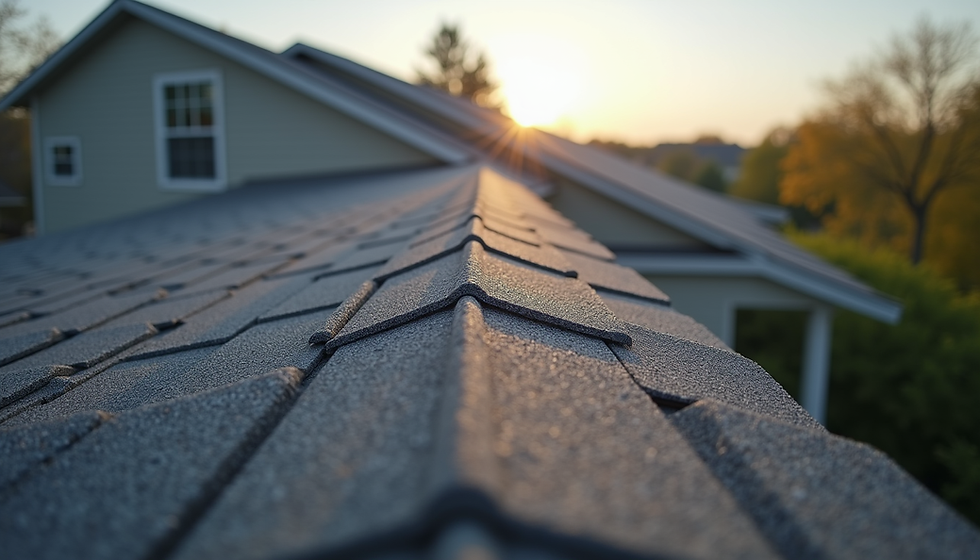
Roof shingles are individual pieces that overlap to create a protective roof covering. Most are made from asphalt, fiberglass mat, and ceramic-coated granules, but other options like metal, wood, slate, and concrete are also available. Shingles help shed water, protect your roof decking from moisture, and enhance curb appeal.
Shingles are usually rectangular for a clean, consistent look—but modern styles also include irregular or dimensional designs that mimic the appearance of handcrafted or natural materials.

Common Types of Roof Shingles and Materials
When replacing your roof, choosing the right material can affect your home’s longevity, energy efficiency, and appearance. Here are the most common roofing materials used in East Tennessee homes:
1. Asphalt Shingles
The most popular roofing material for residential properties, asphalt shingles are durable, affordable, and come in many styles and colors.
3-Tab Shingles: Budget-friendly and uniform in appearance, ideal for homeowners seeking a simple, classic look.
Architectural (Dimensional) Shingles: Multi-layered for added depth and dimension, these shingles provide a more upscale appearance and enhanced protection against wind and weather.
Designer Shingles: Crafted to imitate premium materials like slate, cedar, or wood shake—offering high-end style without the high-end maintenance.
2. Metal Roofing
Metal shingles combine the sleek look of shingles with the strength and longevity of metal. They’re resistant to fire, hail, and high winds—making them an excellent choice for East Tennessee’s unpredictable weather.
3. Slate Roofing
Slate roofs deliver timeless elegance and unmatched durability. While heavy and more expensive, slate can last a century or more if properly maintained—perfect for homeowners investing in long-term quality.
4. Wood Shingles and Shakes
Wood shingles, often made from cedar or redwood, offer natural beauty and insulation benefits. However, they require regular maintenance and should be installed with fire-resistant treatments to meet safety standards.
5. Clay and Concrete Tiles
Commonly seen on Mediterranean or Spanish-style homes, clay and concrete tiles are both stylish and long-lasting. Their weight requires structural support, so a professional evaluation is essential before installation.
6. Solar Roofing Options
Solar shingles are a growing trend, combining renewable energy technology with the functionality of traditional roofing. These integrated systems generate power for your home while maintaining a low-profile, cohesive look.
Choosing the Right Roofing Material
Selecting the best roofing material depends on several factors, including:
Home design and color palette
Local climate and building codes
Budget and maintenance preferences
Durability and warranty coverage
For homeowners in Knoxville and surrounding East Tennessee communities, factors like humidity, storm activity, and seasonal temperature swings make durability and proper installation especially important.
Working with an experienced local contractor like Sepulveda Signature Renovations ensures that your roof not only enhances your home’s appearance but also performs reliably for years to come.
Why Work with Sepulveda Signature Renovations
At Sepulveda Signature Renovations, we specialize in roof replacements, repairs, and full exterior upgrades across Knoxville and East Tennessee. Our team will help you compare materials, color options, and warranties to ensure you get the perfect combination of value, performance, and curb appeal.
Whether you’re upgrading to a more energy-efficient system or replacing storm-damaged shingles, we’ll guide you through every step—from inspection and measurement to installation and cleanup.

Comments